
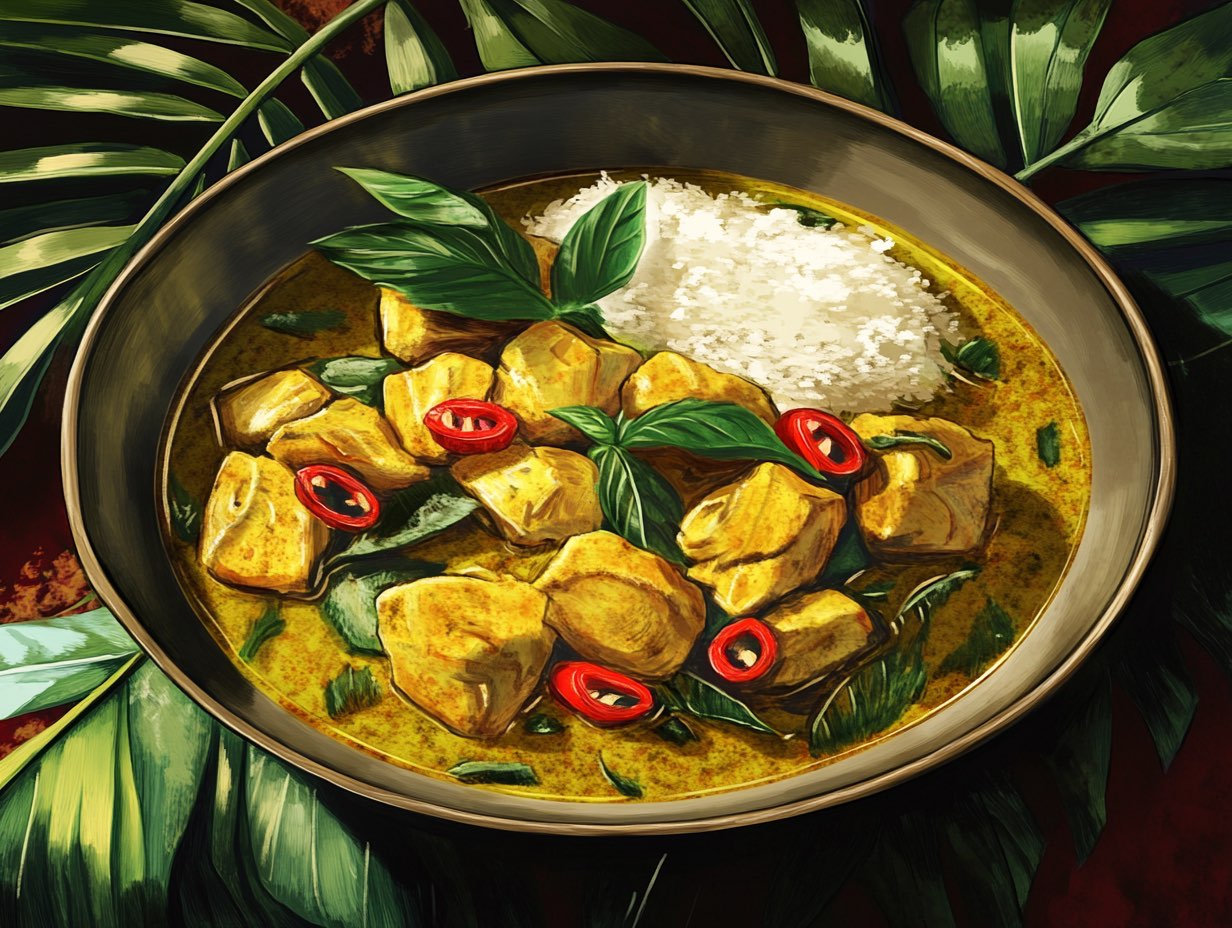
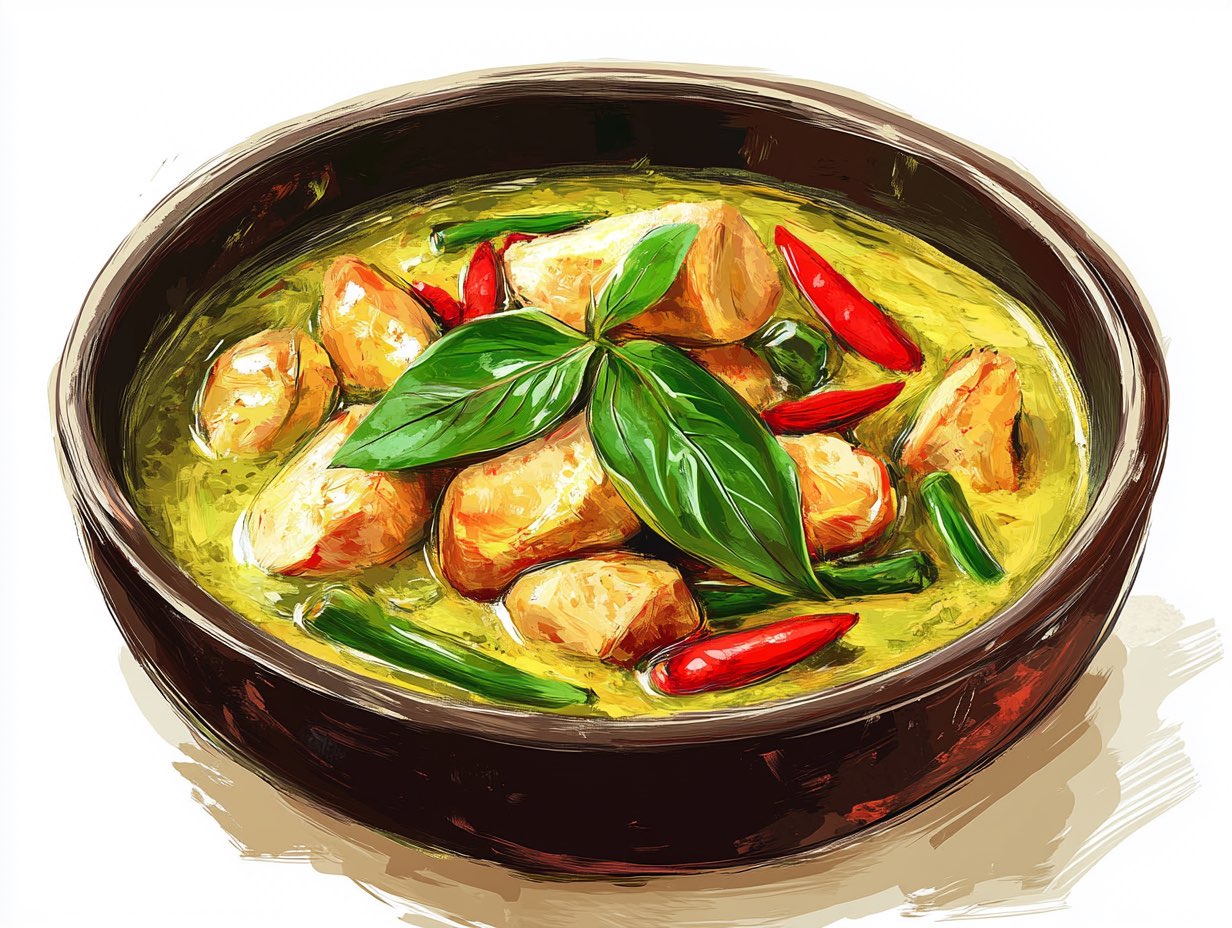
Known by many as the world’s finest cuisine, Thai food is recognisable from the very first bite. Incredibly popular all across the globe, Thai food not only has flavours that are rich and bold, yet well balanced with the stunning aromatics of the meal, but the recipes are easily replicated at home. Among the most popular of Thai meals is the delicious Thai Green curry, the spiciest of the three curries in Thai cuisine. This dish is heavily based on green chillies which gives it a green hue and a fiery kick. There are lots of different Thai green recipes available, but here we are going to focus on creating an authentic tasting meal, using traditional and fresh ingredients. Although this is a chicken recipe, you always have the option to substitute the chicken for tofu or vegetables, if you’d like to make a vegetarian or vegan meal.
Ingredients:
- 420ml coconut milk, divided
- 50g green curry paste, shop bought or homemade (recipe below).
- 240ml chicken stock, unsalted
- 450g chicken thigh, boneless and skinless, cut into 1-inch pieces
- 24g finely chopped palm sugar or light brown sugar
- 5ml-30ml fish sauce
- 4 kaffir lime leaves
- 550ml can of bamboo shoots strips, drained and rinsed
- 22g Thai basil leaves
- ¼ red bell pepper, or another mild red pepper
- Jasmine rice for serving
Ingredients for homemade green curry paste:
- 5ml cumin seeds
- 10ml coriander seeds
- 5ml white peppercorns
- 15 green Thai chilies
- 5ml coarse salt
- 15 Thai basil leaves
- 45ml thinly sliced lemongrass
- 15ml finely chopped galangal
- 10ml makrut lime zest, finely chopped
- 2 cilantro roots or 4 big cilantro stems, finely chopped
- 45ml finely chopped shallots
- 30ml finely chopped garlic
- 5ml fermented shrimp paste
Method
- Reduce 180ml of the coconut milk until it is very thick
- Add the curry paste and sauté for a few minutes over a medium heat
- Add the chicken into the curry paste
- Add the coconut milk, chicken stock, palm sugar and fish sauce
- Take the kaffir lime leaves and twist them to release the aroma, tear them into chunks discarding the centre stems and then add to the pot
- Simmer for 10-15 until the chicken is tender
- Add bamboo shoots and bring to the boil
- Stir in Thai basil and/or bell peppers
- Serve with jasmine rice
Method for making the green curry paste
- Toast the cumin seeds in a dry sauté pan over a medium heat, stir continuously for 4 minutes, cool on a plate. Repeat this stage with coriander seeds.
- Grind coriander seeds, cumin seeds and white peppercorns into a fine powder using a mortar and pestle.
- Cut a minimum of 8 green Thai chillies in half horizontally, discard the seeds and pith (the seeds are removed from some of the chillies to reduce the spiciness of the curry, if you prefer it very spicy you can leave the seeds in all of the chillies). Finely chop all the chillies.
- Add the chopped chillies and salt to the mortar and pestle and pound into a fine paste.
- Add basil leaves into the past and pound.
- Add lemongrass, galangal, kaffir lime zest, and cilantro roots and pound into a fine paste.
- Add shallots, garlic, and any remaining ground spices and pound into a fine paste.
- Add shrimp paste and pound to mix in with the paste.
To make a vegan Thai green curry
If you would like to try to make this authentic Thai green curry vegan friendly you can:
- Use a medium-firm tofu instead of chicken, or any vegan friendly protein.
- Use Asian mushrooms and Japanese eggplant, or any hearty vegetables, as an alternative to chicken. Sauté or roast the vegetables first, this will give the curry a more robust flavour.
- Replace the fish sauce with soy sauce and salt, or a vegan fish sauce.
- Instead of using chicken stock, use a vegetable broth, or use dried shiitake soaking water.
Tips for cooking the jasmine rice
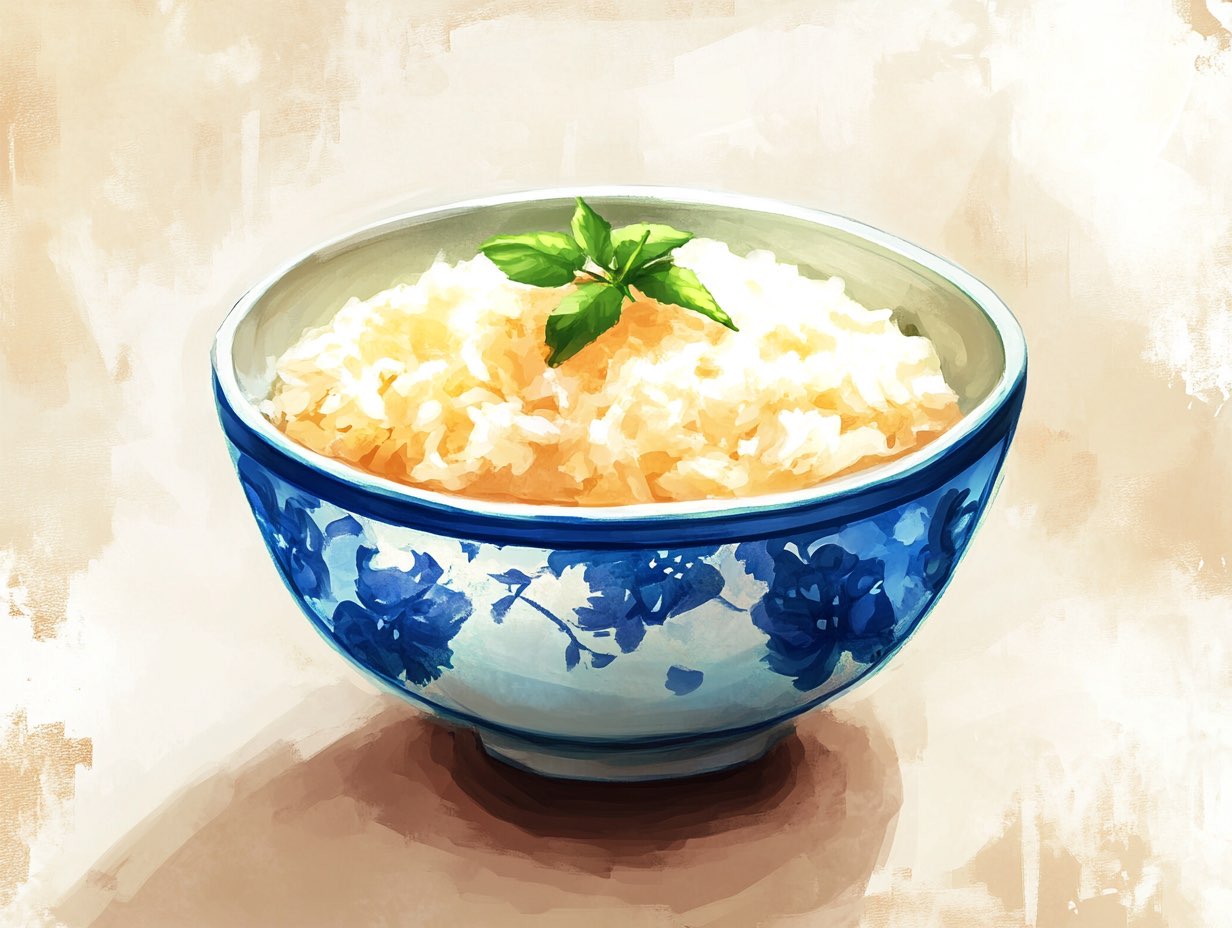
While you’re cooking the curry, you should get started on making the jasmine rice to serve with it. Jasmine rice is softer than most rice, so you need less water than usual. Just like other rice, the cooking method is very simple. Put the water and rice in saucepan and bring to the boil on a high heat, as fast as you can. Once the surface of the water is rippling, turn down the heat and cover. Cook for 12 minutes without lifting the lid. Allow the rice to stand for 10 minutes to allow the rice time to finish cooking (if you skip this stage the rice may be wet and slightly hard in the middle). Before serving, use a rubber spatula or a rice paddle and fluff the rice, this stops the rice from breaking, as jasmine rice is softer than most white rice are. Remember, if you decide to rinse or even soak your rice before you cook it, you’ll need to slightly reduce the amount of water you use to boil the rice in, to account for the water the rice will have already soaked up, otherwise your rice could end up wet and sticky. Alternatively you can steam the jasmine rice.