
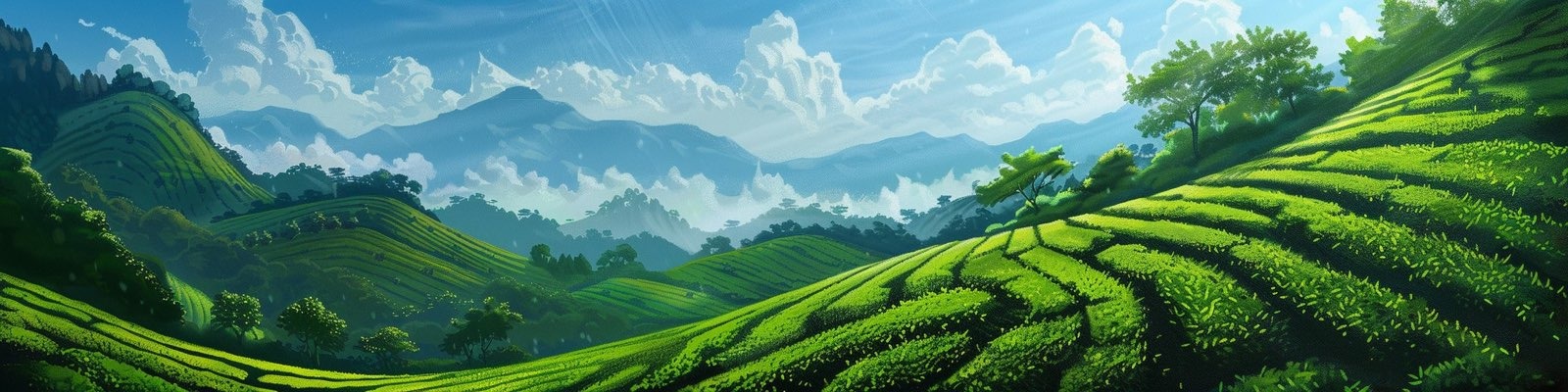
Tea is the second most consumed beverage globally, with water being the first, and it has long been a tradition of Asian cuisine in all its forms. Processed from the Camilla sinensis plant, the four Chinese teas are green, white, black and oolong and these beverages have been enjoyed in China for over 4000 years. In the classical era, tea was served as a refreshing stimulant that helped to facilitate Buddhist meditation, this association shaped Chinese elite tastes and ultimately, Asian culture. A good example of this is the creation of Chinese porcelain, which evolved out of a need for a drinking vessel that didn’t alter the taste of the tea, as clay, wooden and metal cups did. Chinese porcelain then became a major factor of the Chinese industry and later, a global trade. Chinese tea drinking habits evolved into a tea ceremony which went onto define Japanese culture, with manuals being devoted to the art of tea production as early as 760. During the southern Song dynasty (1127–1279), Arab merchants carried tea to the Middle East, where Muslims consumed it in replacement of wine and other forbidden beverages. Later, in 1610, a Dutch ship then bought tea to Europe where it was prized for its medicinal purposes, and when Europeans came to see tea-drinking as a sign of wealth, like the Chinese had done years before.
The Tea Revolution
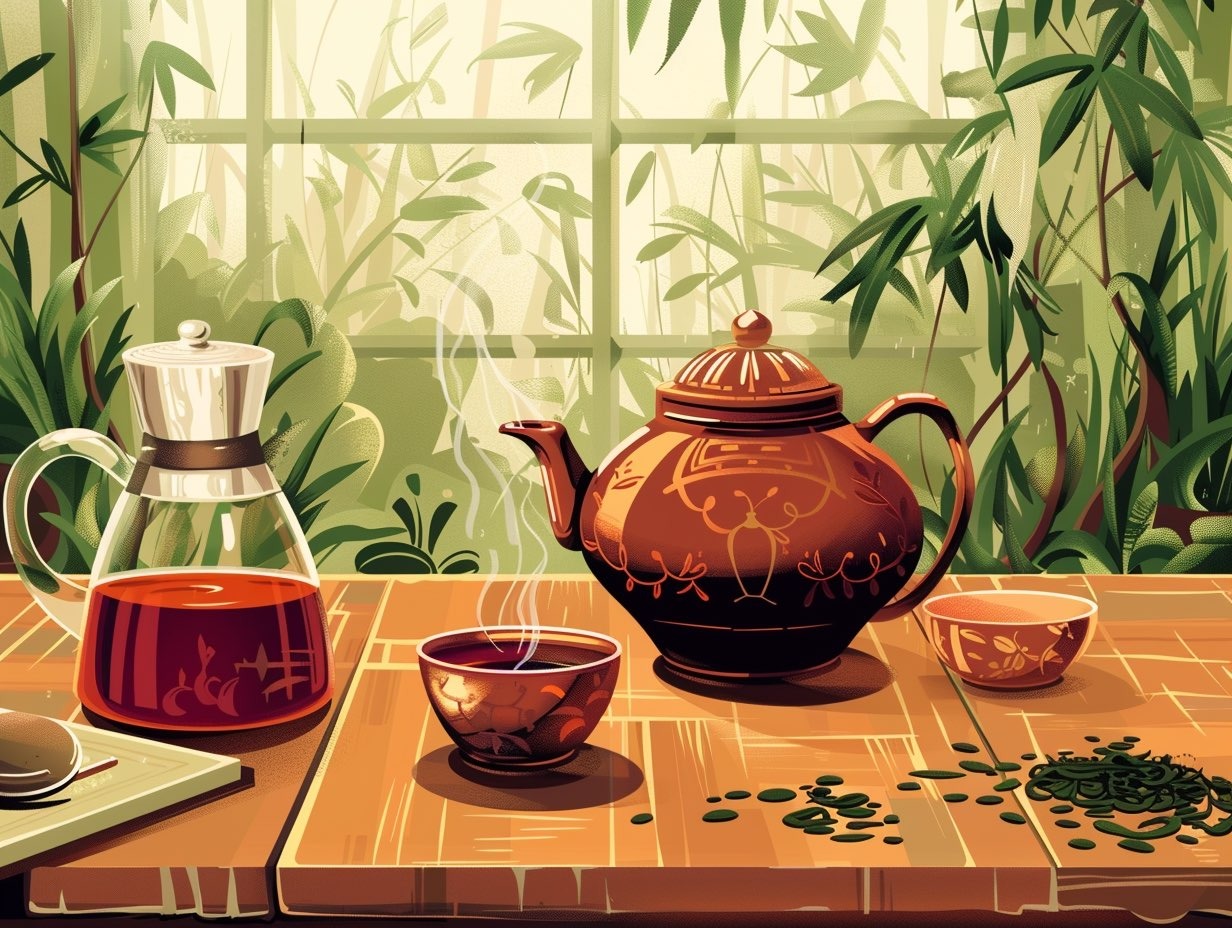
Europe had discovered that tea mixed with milk and sugar was an excellent way to energise the working class, moreover, making tea reduced waterborne diseases as more people began boiling their water before drinking it. There are some arguments that this, and the resulting growing demand for sugar, was one of the reasons for the industrial revolution later. Tea became Chinas principal export and the growing demand for tea in the West drew China closer in to the emerging global trade network. Europeans typically purchased Chinese tea with Mexican silver, which led to a sharp devaluation of Mexican silver in China, making tea even more expensive European and American merchants therefore began trading in another valuable commodity, one that was illicit in China, opium. The First Opium War (1839–1842) began as a result of China attempting to halt Europe’s effort to smuggle opium into their state. Europeans later began to establish tea plantations in Assam, Sri Lanka and later, East Africa, South America and Indonesia. A global tea culture was born and Chinese style teashops and tea parties became characteristic of European society.
Types of Tea
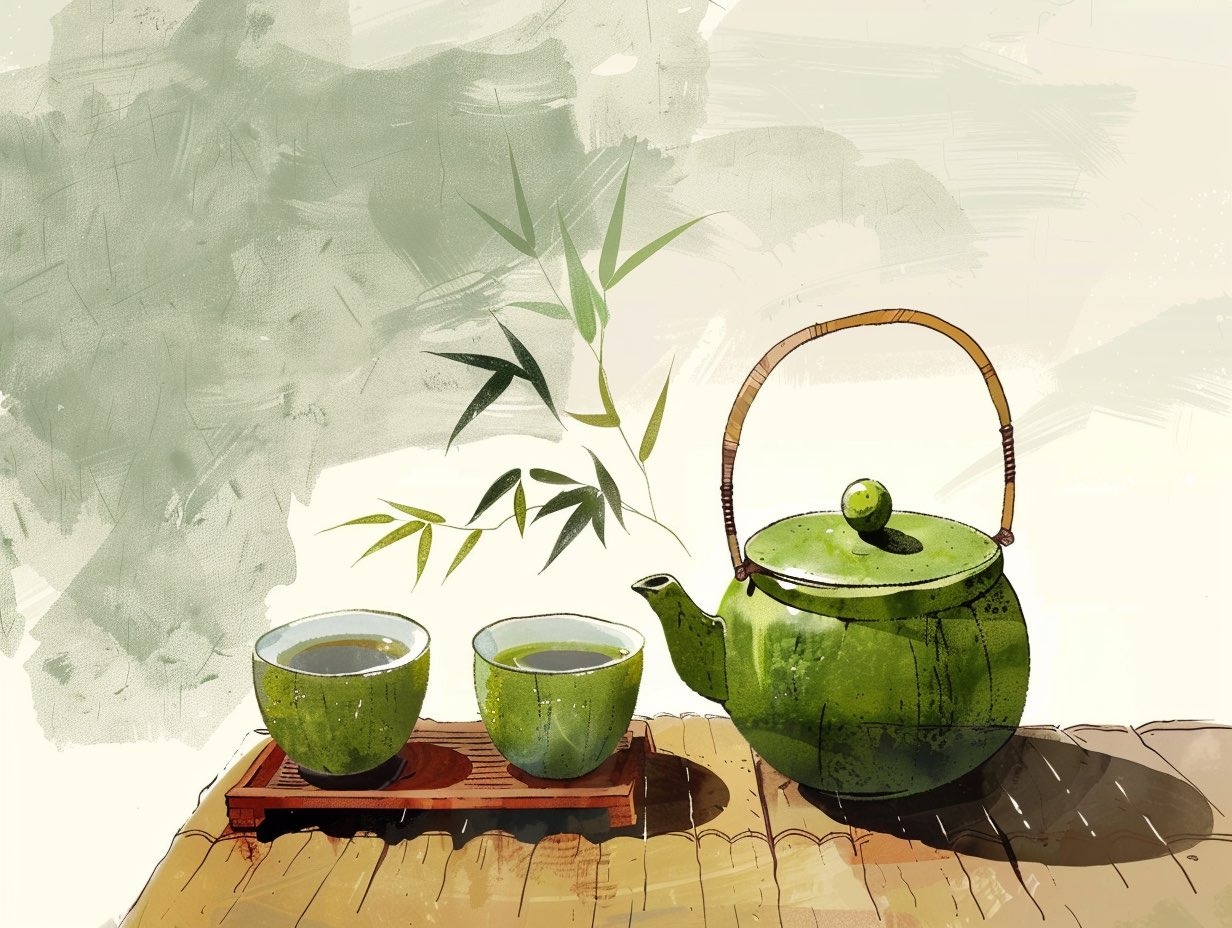
Over the years we have formed many different types of tea, all with varying compositions, flavours and blends. Here are the main types of tea:
- Green Tea: this is the most popular tea around the world. It has less caffeine than black tea and it is unoxidized. Camellia sinensis leaves are picked, dried, and heat-treated, which prevents oxidation. In China, these leaves are often put in a pan-fire, creating a duller green colour, whereas in Japan, these leaves are often steamed to achieve a brighter green shade.
- Chai Tea: this originated in India and although it is technically a black tea and does contain caffeine, it does have a unique flavour profile. Brewed with Camellia sinensis assamica leaves, it is usually brewed with warm milk, sugar and aromatic spices, such as cinnamon and ginger.
- Oolong Tea: is a semi-oxidized tea which is picked later in the season than green tea. The leaves come from the Camellia sinensis plant, once they are picked they are bruised by being tossed/shaken in baskets, this impacts the oxidation process. After this, they are heat treated to prevent them becoming fully oxidized. Oolong tea has less caffeine than black tea, but more than green tea.
- Matcha Tea: ground up green tea leaves, in a powder form, are used to make the tea. The powder is whisked with hot water. Matcha tea has a lot of nutrients due to the high chlorophyll content of the powder, which means it has a lot of health benefits, however, due to the way it is made it does have more caffeine than green tea.
- Rooibos Tea: also known as African Red Tea, this herbal tea comes from the South African Red Bush. The leaves are ground and bruised, then fermented and dried. It has no caffeine, and because it doesn’t go through the oxidation process it has a lighter flavour.
- Black Tea: otherwise known as red tea in China, is one of the most popular tea flavours. The leaves of the Camellia sinensis plant are withered, rolled, oxidized, and dried/fired, which produces a strong and full-bodied flavour which has the most caffeine of all the tea types.
- White Tea: made from the leaves of the Camellia sinensis plant, in only the Fujian province, the leaves are left to wither and dry by themselves, to create a delicate and sweet taste. White tea has very little caffeine.
- Herbal Tea: doesn’t come from tea leaves, like most other teas, herbal tea is made from dried herbs, fruit and flowers. These are caffeine free and made from a range of herbal infusions, including: chamomile, peppermint, lemongrass and ginger, to name a few.
Other varieties of tea include Purple Tea, brewed from a strain of Camellia sinensis that grows in Kenya, Pu-erh Tea which is produced in the Yunnan Province in China and made from the Dayeh strain of the Camellia sinensis plant, and Yellow Tea, a rare tea found primarily in China.