
Noodles are a popular dish in countries all around the world for many reasons. Perhaps the main reason noodles are so popular is because of their convenience, they are easy to cook, requiring hot water and a short cooking time, making them ideal for busy lifestyles. They are also a fully customisable meal, you can add pretty much anything to noodles, making them into noodle soups, or even a complex stir fry, and you can tailor the texture of the noodles, making them soft or chewy. The ability to add a variety of spices, sauces and toppings gives us a range of flavour combinations, which means you can customise the noodles to suit your tastes. As well as being convenient and customisable, noodles are also an affordable source of protein, which means they are accessible to a wide range of people. Noodles have a massive cultural significance in many nations around the world, becoming a global comfort food with gourmet upgrades.
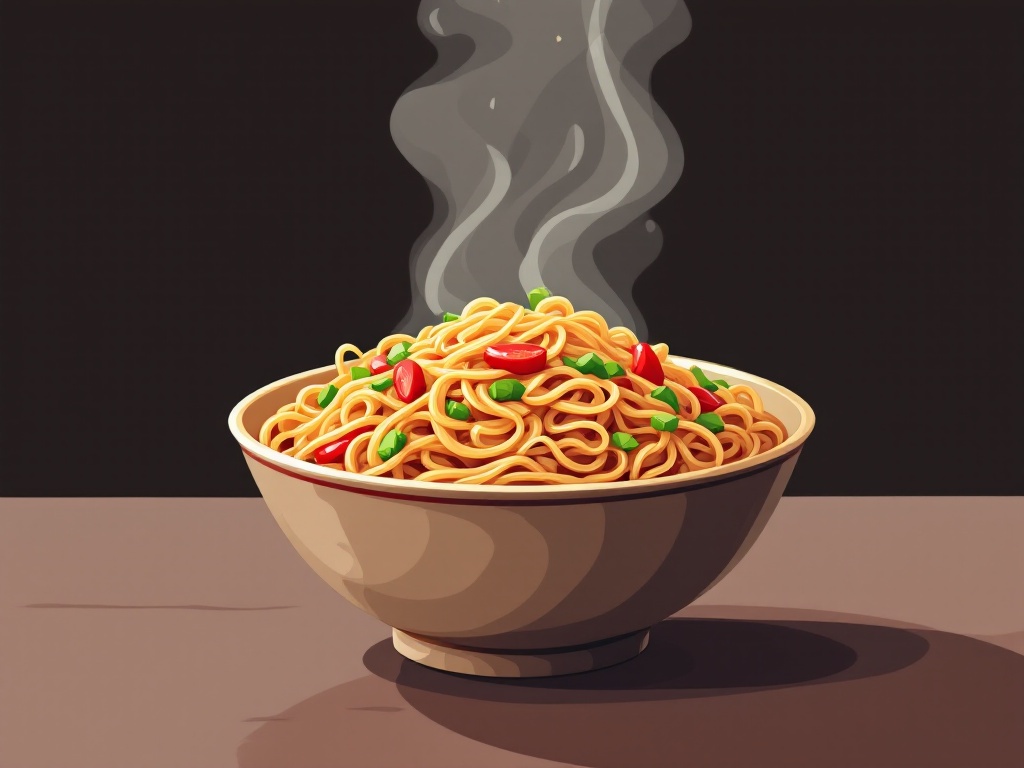
Asian Noodle Types
There are so many Asian noodle types, available in different forms, all across the world. The most common forms of noodles we see include:
- Stir fried noodles
- Rice noodles
- Rice noodles
- Cup Noodles
- Instant noodle
- Frozen noodles
- Instant noodle
- Fideo (commonly used in soups)
In Asian cultures, noodles are a staple part of the diet and a crucial ingredient for many recipes. Across the regions of Asia, noodles vary in their ingredients, shape, width and preparation, depending on the region in which they were produced. As such, there are many Asian noodle types, varying from region to region.
Chinese noodles
Chinese noodles are found in a wide range of dishes, from soups, to curries. They are made in a variety of ways, for example Chinese hand-pulled noodles, Lamian is a type of soft wheat flour that is made by twisting, stretching and folding the dough into strands, using the weight of the dough. Chinese dan dan noodles is a regional specialty of China. Other Chinese noodle types include:
- Biangbiang noodles
- Cellophane noodles
- Chinkiang pot cover noodles
- Daoxiao noodles
- Dragon beard noodles
- Henan braised noodles
- Hot dry noodles
- Kaomianjin
- Lai fun
- Migan
- Mung bean sheets
- Oil noodles
- Paomo
- Rice vermicelli
- Saang mein
- Shahe fen
- Shrimp roe noodles
- Yi mein
Noodle types specific to Hong Kong include: Gong Zai Mian and Wonton noodles
Japanese noodles
Japanese noodles are often served chilled, with a sauce to dip in, or in hot dishes such as soups. A regional speciality is Japanese ramen (tonkotsu, miso). Japanese noodle traditions include eating soba on New Years Eve, enjoying ramen in large bowls and slurping noodles. Some Japanese noodle types include:
- Harusame
- Hiyamugi
- Ramen
- Sanuki udon
- Shirataki
- Soba
- Sōmen
- Tokoroten
- Udon
- Wanko soba
- Yakisoba
Malaysian noodles
Malaysian noodles include egg noodles, flat rice noodles, and thick wheat noodles in a variety of dishes, such as stir-fry, curry and soups. Malaysian noodle types include:
- Char kway teow
- Kolo mee
- Mee bandung Muar
- Mee goreng
- Mee kari
- Mee Rebus
- Pan mee
- Wonton noodles
Korean noodles
Dishes using Korean noodles are generally referred to as guksu and the noodles are usually made from wheat or mung bean (or potato). Typical Korean noodle types include:
- Cellophane noodles
- Cheonsachae
- Dotori guksu
- Garak guksu
- Jjolmyeon
- Kalguksu
Indonesian noodles
Indonesian noodle types can be very colourful, they include:
- Bakmi
- Bihun (rice flour)
- Cirambay (tapioca)
- Kwetiau
- Mie jagung (corn starch)
- Mie sagu (sago starch)
- Mie singkong/mocaf (cassava starch)
- Soun (tapioca, ganyong starch, or aren starch)
- Blue soun (with food colouring)
Filipino noodles
Interesting colours and shapes, Filipino noodles include:
- Canton (egg noodles, usually round)
- Bihon (rice noodles)
- Lomi (thick egg noodles)
- Miki (soft yellow egg noodles, usually flat)
- Misua (wheat vermicelli)
- Palabok (yellow cornstarch)
- Sotanghon (glass noodles)
Other Asian Noodle Types
Other Asian regions also have their own variations of noodles, such as Italian, Vietnamese (with the regional specialty of pho made using beef and herbs), and Indian, which includes Idiyappam and Sevai.
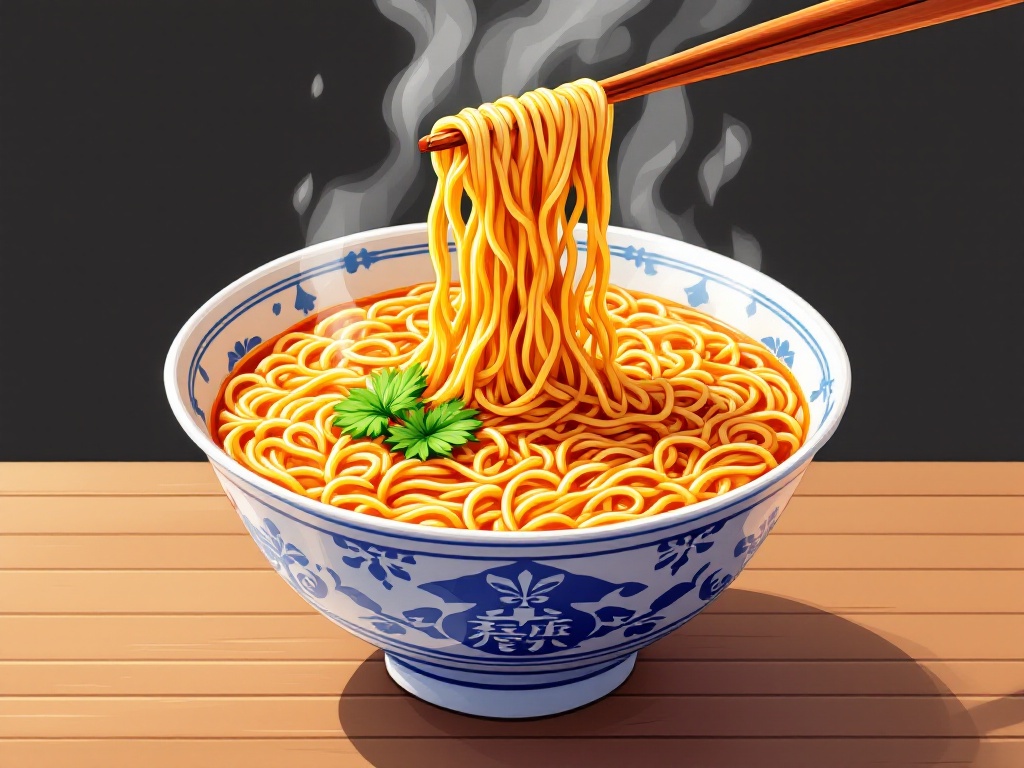
Noodle Regional Specialties
Chinese Street Food Noodles:
In China and other Asian countries, there are lots of vendors and hawkers in public places, such as streets, the market, the park, at the fair, selling noodles from a portable food cart, truck or booth. Chinese street food noodles include dishes such as:
- Wok Hei in Char Kway Teow: flat rice noodles, made with cockles water, garlic and chilli, and both dark and light soy sauce, cooked over a high heat to create a smoky flavour.
- Smoky Pad Thai: Pad Thai is a common street food that is typically a delicious balance of sweet, salty, sour and spicy flavours. Smoked chicken or duck, or a caramelised sauce, is added to the pad Thai, to give it a delicious smoky flavour.
- Dan Dan Noodles: from Sichuan province, these noodles are typically spicy with minced pork
- Biang Biang Noodles: these very wide, hand-pulled noodles are served with a savoury sauce
- Chow Fun: flat rice noodles which are stir-fried with meat
- Beef Noodle Soup: noodles cooked in a thick beef broth with various cuts of beef
When you search for noodle recipes online, you’re very likely to come across a few ‘Street Food Noodle’ recipes, not just because they are incredibly popular and simple to cook, but because of the cultural significance they hold in China, and around the world.
One of the common questions people ask is “how do street vendors achieve such bold flavours in Asian noodle dishes?”, the answer to this question really depends on the dish you’re trying to cook. But the main ways street vendors create such bold flavours is through their cooking methods and the ingredients they use. To recreate these at home, you’ll need to follow an authentic recipe and make sure you cook it using the correct cooking methods. For example, sometimes we are afraid to use a high heat because we don’t want to burn the food, but it is actually this high heat that creates the flavour.
Hand-Pulled Chinese Noodles
Hand-pulled Chinese Noodles (also known as lamian) is a type of soft wheat flour Chinese noodle that is very popular in northern China. The technique of hand-pulled Chinese noodles is a traditional Chinese art form that has been passed down through the generations.
Hand-pulled vs machine-cut
Hand-pulled noodles are chewier and springier in texture than machine-cut noodles, they also vary slightly in their thickness and width, unlike machine cut noodles. Machine-cut noodles are more consistent in size and are produced quickly using a cutting mechanism, unlike hand-pulled noodles which require significant manual labour to produce. Ultimately, hand-pulled noodles are also considered to be of a higher quality due to this superior texture and the labour-intensive process of making them.
So, how are hand-pulled Chinese noodles crafted, and why is technique crucial?
First, here is a recipe for making your own hand-pulled Chinese noodles.
Ingredients:
- 425g bread flour, plus more for dusting
- 28g nutritional yeast
- 4g salt
- 285g cool water
- 1 tablespoon vegetable oil
Method:
- Mix the flour, yeast and salt in a bowl.
- Add water and oil and mix until the dough forms.
- Transfer the dough to a clean counter and knead until the dough is smooth.
- Roll the dough, knead it and then stretch it. Double the dough back and repeat the process for 3-5 minutes, until the dough begins to stretch without tearing.
- Stretch the dough to arm’s length, bring the ends together, twirl into an even twisted log.
- Repeat stretching and twirling for about 10 minutes, until the dough pulls to a full arm’s length with no resistance or tearing.
- Roll the dough into an even log shape.
- Begin tearing the noodles by holding the log at both ends, stretch to about 30 inches in length, bring the two ends together to form a loop and gently tug and pull dough from the midpoint of the loop, to about 30 inches. Keep moving the dough through the flour to prevent it from sticking.
- Bring the ends of the dough together to form another loop of 4 strands. Again, pull dough from the midpoint of the loop to about 30 inches. Repeat 2 or 3 more times until noodles are about one eight of an inch in diameter.
- Use a knife to separate the noodles from the small clump of dough in the and transfer to a pot of boiling water.
- Cook for about 30-45 seconds, until the noodles are cooked, but chewy.
Technique:
The technique used is crucial because it allows for the correct development and alignment of the gluten in the dough, allowing it to be stretched evenly into thin strands, without tearing. Techniques you need to master include:
- Proper kneading to activate the gluten and create a stretchy dough.
- Resting the dough after kneading is important to relax the gluten, making it easier to stretch and manipulate.
- Using the correct hand movements while stretching and folding are critical for achieving an even thickness and the correct shape.
- Oiling the dough prevents it from sticking together as you pull it.
Authentic Noodle Soups:
Noodle soups are a favourite both when dining in restaurants and ordering from street food vendors. Not only are they are a delicious and warming comfort food, but there are also lots of different flavours and types of noodle soups.
The most popular noodle soups include:
Ramen:
Have you ever wondered what makes instant ramen a cultural icon in Japan and beyond? Ramen is a Japanese cultural icon because it perfectly symbolises and represents Japan’s adaptability and the fusion of different culinary traditions. This authentic noodle soup has a long history in Japan, gaining popularity in the late 19th century and it has become one of Japan’s most recognisable dishes. The most common type of ramen in Japan is shoyu ramen, which is made with chicken broth and soy sauce. Another popular dish is miso ramen, made with chicken stock and miso (which is a fermented soybean paste).
What defines the perfect ramen broth, and how does it vary regionally?
The perfect ramen broth depends on the type of ramen that you are making, however, it should generally be rich and flavourful, with a complex depth of taste and a balanced liquid. Most ramen broths begin with a good quality dashi as the base, giving the broth a savoury flavour. Pork or chicken bones are then usually added to the broth to make it creamy and rich. Soy sauce is then used, the type of soy used will vary the flavour. For a miso ramen, a miso paste is then used to add a nutty flavour. Vegetables such as onions, garlic, ginger and sometimes carrots are then added to the broth to give it complexity and fragrance. A good quality ramen will always use high quality ingredients, be simmered for the right time to maximise the flavour, and will be tasted regularly to ensure the flavours are balanced.
Pho
Pho is the national dish for Vietnam, but why is pho considered Vietnam’s national dish, and what makes it unique? Pho is considered to be Vietnams national dish because it originated in Vietnam in the early 20th century and it is deeply rooted in Vietnamese culinary traditions. Pho represents Vietnams influences, including its French colonial rule. The rich broth is made from fresh ingredients, with complex flavours, including beef bones and spice, it is customisable and can have numerous toppings added to it and can be made with chicken instead of beef, which is why it’s become such a popular dish in Vietnam and around the globe. Pho is considered to be a communal meal, bringing families and friends together.
Borth ramen and pho use simmered bones, however, the difference between the two is that pho uses aromatic star anise and cinnamon, making it more aromatic and spicier than ramen. Ramen, however, doesn’t use star anise or cinnamon, it has a much simpler aromatic base.
Laksa
This tangy, spicy, aromatic and intense noodle soup originated in Malaysia and is popular in Southeast Asia. The aromatic and spicy nature of this soup comes from the spices included in the dish, but what are the key spices in laksa, and how does it reflect fusion cuisine?
As well as laksa paste, coconut milk, shrimp and candlenuts, laksa also contains lemongrass, turmeric, garlic, shallots, chilies and galangal (a blue ginger), other ingredients can include daun kemangi (lemon basil leaf), bean sprouts, and even a squeeze of lime. Fusion cuisine is defined as a cuisine that combines elements from different culinary traditions. Laksa perfectly reflects fusion cuisine with its combination of aromatic spices, shrimp, nuts and coconut milk, it fuses together Chinese, Japanese, Malaysian and Vietnamese cuisine.
Other popular noodle soups from countries around the globe include:
- Dan Dan noodles from China
- Wonton noodles from Hong Kong
- Japchae from Korea
- Bún bò Huế, a spicy Vietnamese soup
- Spaghetti carbonara from Italy
- Spätzle, a German noodle served with chard and a smoky cheese sauce
Common Questions About Noodles
Udon vs Soba: How do udon noodles differ from soba in texture and preparation?
Udon noodles and soba noodles are both Japanese noodles. The main difference between the two is that udon noodles are thick and made entirely from wheat flour, soba noodles, on the other hand, are thinner and made from buckwheat flour. Udon has a milder taste and is white, meanwhile, soba is often mixed with a small amount of wheat flour, giving them a darker colour and a distinct nutty flavour.
Which noodles are best for stir-frying vs soups?
Due to their ability to hold texture and crisp well, noodles such as lo mein (egg noodles), rice noodles, udon noodles and soba noodles are ideal for a stir-fry. Whereas thin spaghetti, egg noodles or wider rice noodles are better for soups as they become tender during cooking and absorb broth well.
What role do noodles play in celebratory dishes?
Noodles play a significant role in Asian culture, but more than that, they have a cultural and social significance. For example, noodles are usually eaten during the start of the Lunar new year and on birthdays, because they symbolise longevity and good health for the year ahead. Noodles with gravy are consumed when moving into a new house, or getting married, and dragon whisker noodles are eaten on the lunar day the 2nd February.
Which noodle dishes pair best with specific meats or vegetables?
Of course, different noodles pair better with some meats or vegetables than others. Here are some recommendations:
Meat recommendations:
- Beef: goes well with thick, hearty noodles such udon, flat rice noodles, or thick egg noodles.
- Chicken: pairs with thinner noodles like ramen, vermicelli, or angel hair pasta.
- Pork: goes well with a variety of noodles as pork can handle both rich and delicate flavours.
- Duck: pairs with thin rice noodles, glass noodles and noodles with a lighter texture.
- Shrimp or seafood: goes well with thin noodles like spaghetti or angel hair pasta.
Vegetable recommendations:
- Egg noodles work well with dense vegetables like green beans, carrots, broccoli and cauliflower.
- Thin rice noodles are perfect for stir-fries and vegetables like bell peppers, broccoli, baby sweetcorn and snow peas.
- Udon noodles work better with heavier vegetables, such as mushrooms and baby corn.
- Soba noodles are better suited to lighter vegetables like cucumber, shredded carrots and spinach.
If you have any other noodle related questions, or would like to share your favourite noodles, or recipes with us, we welcome you to leave a comment.