
When it comes to dumplings, the Japanese have perfected the recipe, making gyoza (dumplings) that are unique in look, taste and texture. The gyoza is a variant of the Chinese potsticker, with a higher vegetable to meat ratio and a deliciously crispy and flaky bottom.
The origin of the Japanese Gyoza
Gyoza was created by Japanese settlers returning from Manchuria following World War II, they took the Chinese jiaozi (potsticker) and adapted it to make the perfect Japanese Gyoza dumpling.
What is a gyoza?
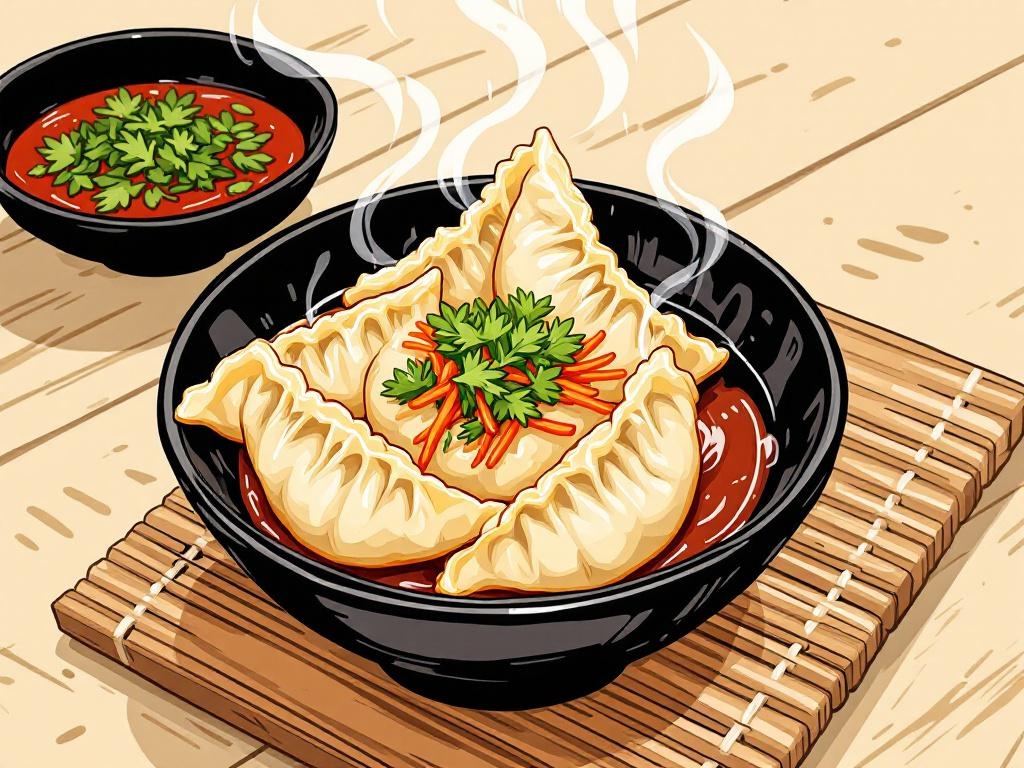
Gyoza is a pan-fried dumpling that is filled with ground meat, typically pork, and an abundance of vegetables, including garlic, chives and cabbage. Made into a crescent shape, approximately 10cm in diameter, they are designed to be eaten in one to two bites. The external dumpling is pan-fried, the fillings inside are steamed, creating a delicious combination of crispy and juicy textures and flavours. Usually served with a dipping sauce that is made from soy sauce, chili oil and vinegar, gyoza are typically served as an appetiser or a side dish, but they are sometimes served as a main course.
How is gyoza made?
The great thing about gyoza is that you can fill them with all of your favourite ingredients, however, to make a traditional gyoza, the filling should be made with fatty ground pork mince, garlic cloves, garlic chives, cabbage, ginger, sesame oil, soy sauce, salt and cornstarch. Remember, the garlic flavour of a gyoza is far more prominent than a Chinese Dumpling.
How is gyoza cooked?
There are a few ways gyoza can be cooked, including:
-
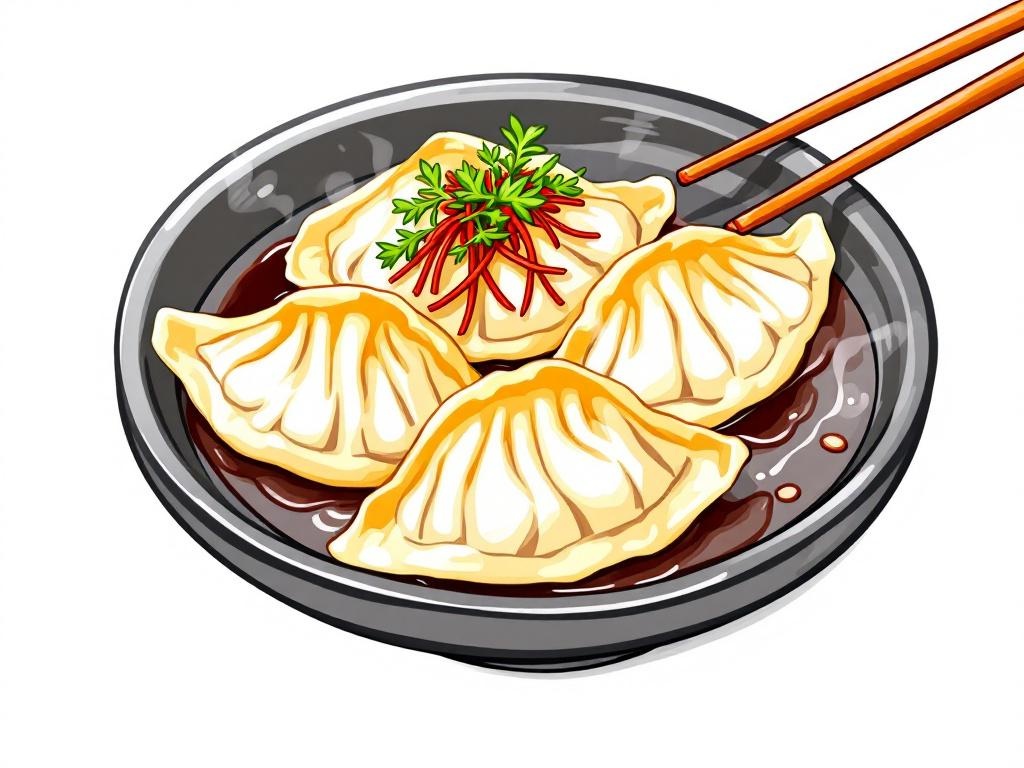
Yaki-Gyoza: This is the traditional method for cooking the perfect gyoza. Here, the gyoza are pan-fried until the bottoms become golden and crispy. Once pan-fried, water is added to steam the dumplings. The final step is to remove the lid and crisp the gyoza back up again.
-
Age-Gyoza: An alternative way to cook gyoza is to deep-fry them to crisp them completely.
-
Mushi-Gyoza: Unlike the previous two cooking methods, this creates a softer texture. Here, the gyoza are steamed-only, resulting in a healthier option dumpling.
-
Sui-Gyoza: Another soft gyoza cooking method is to simply boil them in water, much like the traditional Chinese dumpling.
Key differences between gyoza and dumplings
While the difference between dumplings and gyoza isn’t massive and may not even be recognisable to everyone, there are some differences that are worth noting:
-
Wrapper: Japanese gyoza wrappers are machine-made and are usually quite thin and delicate, whereas the wrapping on Chinese dumplings is thicker and is typically made by hand.
-
Filling: gyoza are well-known for their rich garlic flavour, while the meat and vegetables inside are minced much finer.
-
Cooking: Chinese dumplings are traditionally boiled, but they can be steamed or pan-fried. While Japanese gyoza are traditionally pan-fried, but can be steamed or boiled.
-
Texture: the texture of dumplings varies depending on the cooking method, but they are usually soft and chewy. When pan-fried, dumplings have a soft top, but a crispier bottom. Gyoza are usually pan fried and are therefore crispier than their dumpling counterpart.